

Bio and Health Informatics
AI Faculty Research Area
The Bio and Health Informatics area studies how artificial intelligence can advance understanding, intervention, and decision-making across biological and health systems by integrating data-driven modeling with sensing, clinical knowledge, and biological principles. Research spans multiple scales — from molecular and cellular processes to human physiology and population-level health — and emphasizes AI methods that operate across both discovery and translational settings.
One thrust focuses on understanding biological systems from complex data, including microbiome and multi-omics analysis, RNA structure and function modeling, gut–brain interactions, and ecological and population-level health dynamics. A complementary thrust centers on therapeutic and biomolecular design, including RNA/DNA engineering, drug target discovery and repurposing, and optimization of treatment strategies.
Another major direction develops AI-enabled sensing and intelligent health technologies, such as wearable and IoT-based monitoring, adaptive medication dosing, automated drug delivery, and digital twin-based decision-support systems. The area also advances neural and physiological signal modeling, including neural sensing and decoding for prosthetics, as well as AI systems that translate continuous biological signals into actionable clinical insights.
Across these directions, researchers combine machine learning, signal processing, systems modeling, and domain science to develop robust and interpretable AI systems that advance biological discovery, enable health-related research, and support clinical and translational applications.
Faculty
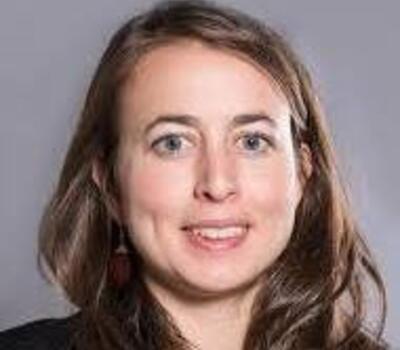

Xiaoli Fern
Professor
Research Groups
Data Science and Engineering | Artificial Intelligence and Robotics

David Hendrix
Professor
Research Groups
Data Science and Engineering | Artificial Intelligence and Robotics | Health Engineering
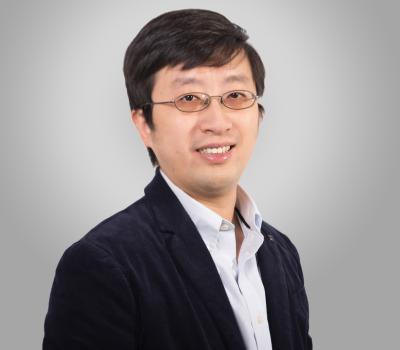
Liang Huang
Professor
Research Groups
Data Science and Engineering | Artificial Intelligence and Robotics | Theoretical Computer Science | Health Engineering
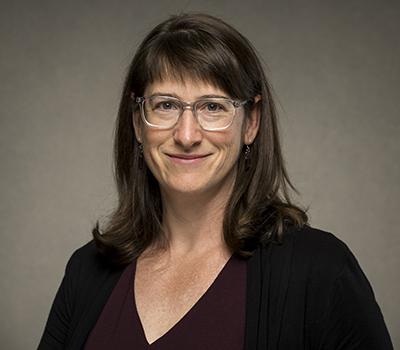
Rebecca Hutchinson
Associate Professor | Kearney Faculty Scholar
rebecca.hutchinson@oregonstate.edu
Research Groups
Data Science and Engineering

Peter G. Jacobs
Professor | James and Shirley Kuse Chair in Chemical Engineering
Research Groups
Artificial Intelligence and Robotics | Computation and Simulation | Machine Learning and Computational Biology

V John Mathews
Professor
Research Groups
Data Science and Engineering | Communications and Signal Processing | Health Engineering
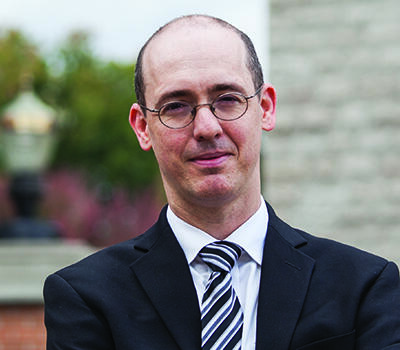
Stephen Ramsey
Professor
Research Groups
Data Science and Engineering | Artificial Intelligence and Robotics | Health Engineering
Arash Termehchy
Associate Professor
Research Groups
Data Science and Engineering | Artificial Intelligence and Robotics
Weng-Keen Wong
Professor
Additional Positions
OSU Site Director, Pervasive Personalized Intelligence Center
Research Groups
Data Science and Engineering | Artificial Intelligence and Robotics