
Introduction
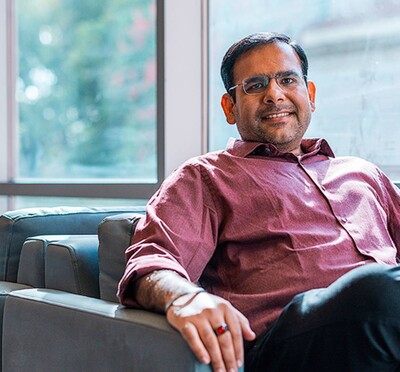
Isaiah Bennett didn’t plan to be a Beaver. His father and grandfather are University of Washington alumni, so he expected to be “U-Dub or bust.” Yet to his surprise, Oregon State University came into contention as he weighed his options.
“I’ll never forget. My family was touring the campus, and we walked past Johnson Hall,” Bennett said, referring to the home of the College of Engineering’s School of Chemical, Biological, and Environmental Engineering. Isaiah was smitten with the hall’s cutting-edge labs. “I was like, ‘This is the place to be right now.’” He enrolled at Oregon State to pursue bioengineering before shifting to chemical engineering in his third year.
From prospective student to laboratory researcher
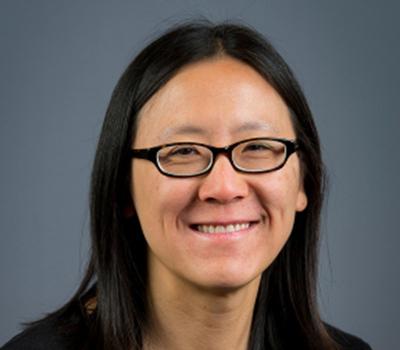
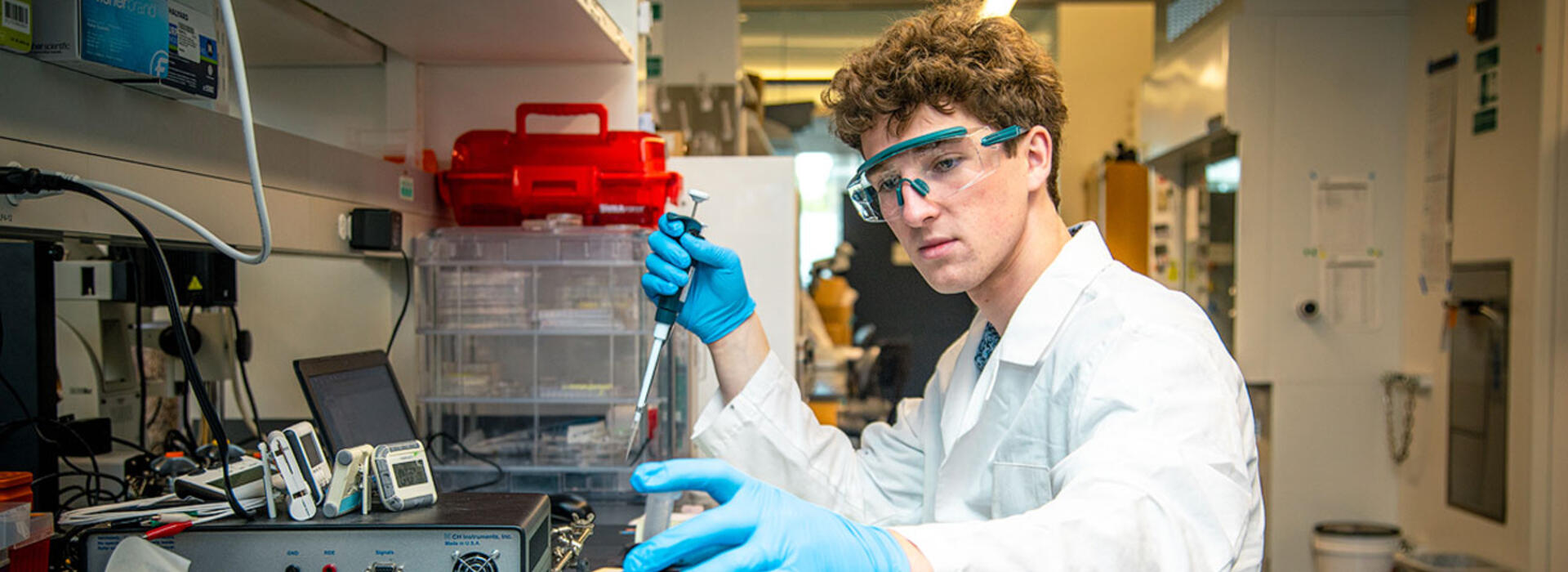
Bennett soon had the opportunity to work in the same labs that motivated his interest in OSU. In 2025, he became a research assistant in the lab run by Elain Fu, professor of bioengineering.
Fu’s lab specializes in using microfluidics (the science of fluids at small scales) to develop and improve sensors. Bennett’s work focuses on a sensor that measures the concentration of antiepileptic drugs in saliva.
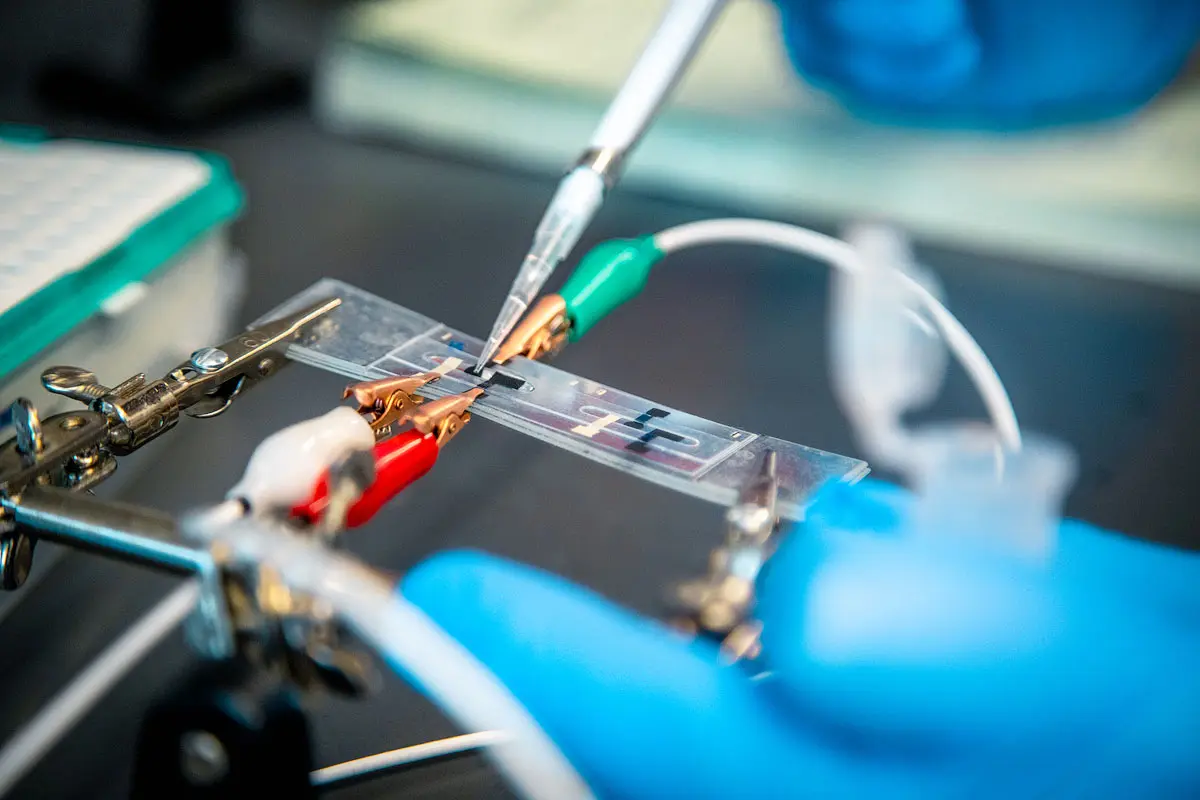
Currently, bloodwork is the only way to measure these concentrations. “It’s an invasive procedure, and the turnaround time is one week to one month. During that time, the patient may be dosed incorrectly and could be prone to having seizures,” Bennett said. A saliva test could reduce the time required to determine the correct dosage.
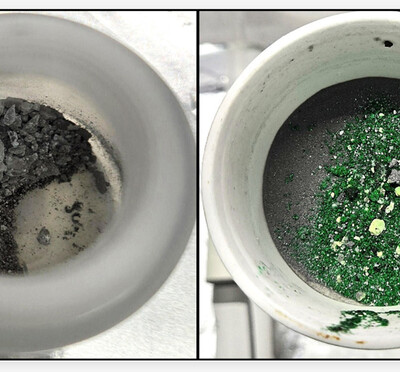
The sensor detects drugs by measuring the tiny electrical current they produce when they meet an electro-sensitive ink. Bennett tested different ink formulations to improve sensor accuracy as a patient’s saliva chemistry shifts throughout the day. Both the manufacture of the ink and the testing of the reaction took place in Johnson Hall, giving Isaiah his first taste of research in a lab. He presented the findings alongside his fellow researchers at the 2026 Oregon Bioengineering Symposium.

From microfluidics to optimizing semiconductor design with AI
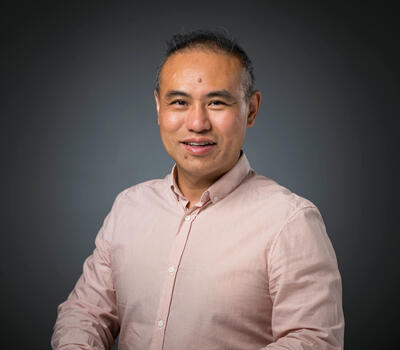
After shifting from bioengineering to chemical engineering, Bennett took a course on the processing of thin films (measured in nanometers to micrometers) taught by Zhenxing Feng, Professor and Stephen Slavens Faculty Scholar in Chemical, Biological, and Environmental Engineering. The fundamentals of thin films are important to semiconductors, and Bennett, who “loves cutting-edge tech,” was inspired to learn more about how materials are engineered at the nanoscale to power modern chips.
One process that caught his eye involved oxidation furnaces. These tools heat silicon to temperatures over 1,000 degrees Celsius to grow a thin, insulating layer of silicon dioxide on the surface. While classical chemistry is well understood, every furnace has its own unique quirks and environment that can skew actual growth rates away from theoretical expectations.
With Professor Feng’s encouragement and backing, Isaiah tackled the problem by merging chemical engineering with artificial intelligence. Getting up to speed with help from OSU’s AI club, Isaiah led a student team to build a physics-informed machine learning system.
The team spent long days in the cleanroom running oxidations, measuring thicknesses, and troubleshooting. They successfully built a hybrid AI model combining classical oxidation models with a correction trained specifically on the Owen Hall furnace. Though working with limited data (25 data points), the project showed a way AI can help solve the challenges semiconductor companies face; it is available on GitHub.
This experiment may be the first step in a career. After graduation, Bennett wants to enter the semiconductor industry, though he expects to return for a PhD in chemical or bioengineering. He cites a professor's advice that has stuck with him: “Always be curious.”