
Introduction
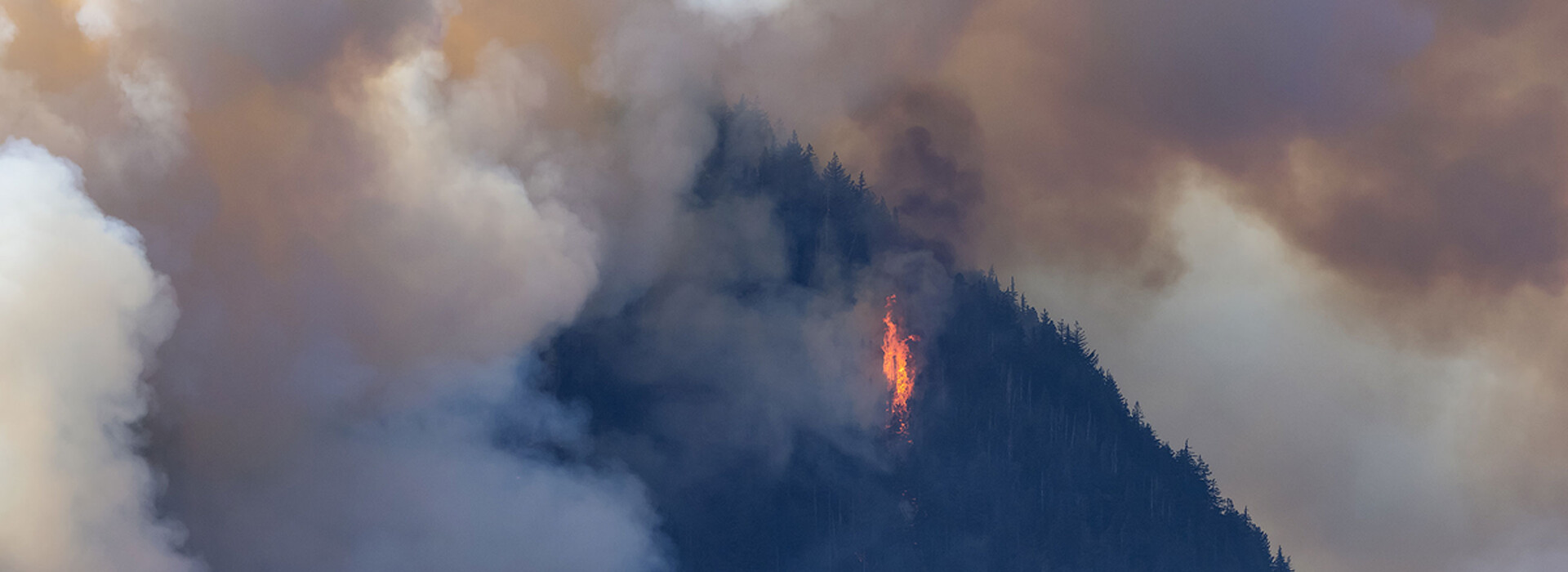
The American West has a new season: wildfire season. And with hotter, drier conditions, damage from wildfires has increased in recent decades. One important consequence is that rainfall washes chemically altered organic matter and metals from burned landscapes into streams, reservoirs, and drinking water sources that serve millions of people. As a result, water treatment reliability declines, and operational risks increase.
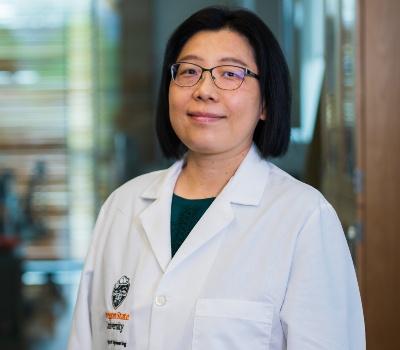
Xue Jin, assistant professor of environmental engineering, is on the hunt to uncover how water runoff from wildfire-affected land causes ongoing water treatment problems, and how utilities can respond effectively. The National Science Foundation recently awarded Jin with a Faculty Early Career Development Award to better understand and predict when water treatment protocols may deteriorate and put humans at risk.
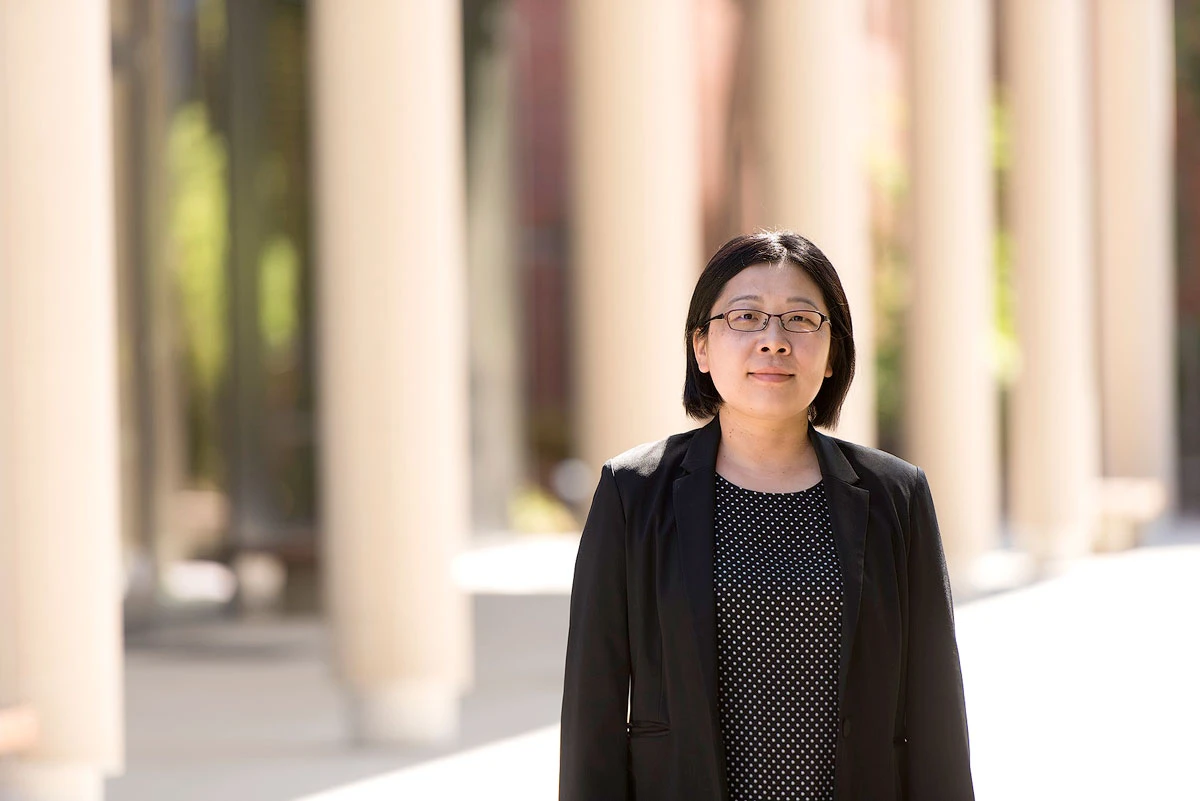
"Wildfires are no longer isolated events — they have become an ongoing challenge for drinking water systems across the western United States," Jin said. "With support from the NSF CAREER Award, my team can investigate why wildfire-altered water is so difficult to treat and develop new ways to predict treatment challenges before they happen."
The challenge of membrane fouling
One indicator that Jin is examining is membrane fouling, or when contaminants accumulate within a filtration system and degrade performance. This fouling also causes higher energy consumption, as the accumulation of contaminants restricts water flow and increases the pressure needed to filter and treat liquids.
A preliminary study has shown that severely burned areas produce a particular kind of organic matter — smaller molecules that dissolve easily in water and carry lots of "sticky" chemical groups. These molecules bind tightly to metals like iron and aluminum that are naturally present in soil. Part of her CAREER-funded efforts will be to characterize these sticky chemicals using a variety of analytical techniques, testing membrane fouling by running controlled filtration experiments, and modeling how fouling builds up over time.
assistant professor of chemical engineering
Blue Primary, Yellow Secondary
She will also use artificial intelligence tools to predict fouling risk — before system performance declines. Early warning of fouling risk will help utilities optimize pretreatment strategies to improve treatment reliability while reducing operational costs.
"Ultimately, we want utilities to have the same type of early warning system for membrane fouling that weather forecasts provide for storms," Jin said. "If operators know the risk in advance, they can make better treatment decisions, improve system reliability, and better protect public health."
Beyond the research impact, Jin and her team will develop courses and K-12 learning modules for outreach. These efforts will prepare the next generation of scientists and engineers while supporting reliable and resilient drinking water systems.