

Water and Environment
Developing sustainable engineering solutions for clean water and the protection of environmental and human health.
Focus Areas
Bioremediation
Bioremediation research conducted by the environmental engineering faculty involve the use of microorganisms to transform legacy and emerging contaminants to nontoxic products. Focus areas include aerobic cometabolism and anaerobic halorespiration of legacy contaminants, such as trichloroethene (TCE), and emerging contaminants, such as 1,4-dioxane. Advanced processes are being developed for sustainable and low cost in-situ and ex-situ treatment of contaminated groundwater and soil. Investigations over abroad range of scales are conducted that include laboratory kinetic studies with pure and enriched cultures to field scale demonstrations of advanced bioremediation technologies. Numerical models and novel molecular methods are also developed and applied to investigate bioremediation.
Processes for Clean and Sustainable Water
Development of effective and energy efficient processes and technologies for the creation of clean water, the recovery of nutrients and the generation of energy. The processes and technologies are grounded in biological, chemical and physical treatment concepts. Work focuses on drinking water, wastewater and stormwater treatment.
Emerging Contaminants
Our environmental engineering faculty and their research teams investigate the fate, transport and effects of emerging contaminants like perfluorinated or chlorinated compounds, nanomaterials, and micro-and nanoplastics. We work to develop remediation strategies to effectively remove contaminants from aquatic environments to mitigate their impacts on aquatic life and human health.
Environmental Health
Study of microbial communities in environmental reservoirs such as water, wastewater, and soil combined with indicators of human health such as fecal pathogens and hand hygiene. Culture and molecular-based techniques are applied to investigate disinfection technologies,as well as growth and persistence of pathogens and emerging contaminants.
Contaminant Fate and Transport
Analytical measurement and mathematical modeling of the processes governing pollutant transport and transformation in environmental systems. Work is performed at the lab, pilot and field scale focusing on both legacy pollutants and emerging contaminants.
Faculty
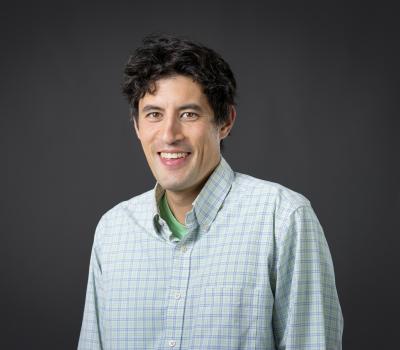
Nick AuYeung
Associate Professor
Research Groups
Sustainable Energy
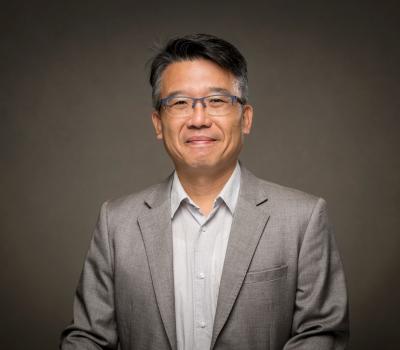
Chih-hung (Alex) Chang
Professor
Additional Positions
Associate Head for Undergraduate Programs
chih-hung.chang@oregonstate.edu
Research Groups
Computation and Simulation | Sustainable Energy | Catalysis and Advanced Materials | Water & Environment
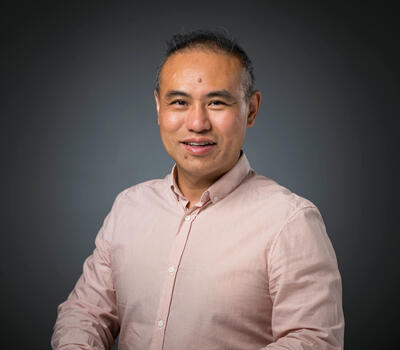
Zhenxing Feng
Professor Stephen Slavens Faculty Scholar in Chemical, Biological, and Environmental Engineering
Research Groups
Materials and Catalysis | Computation and Simulation | Water and Environment
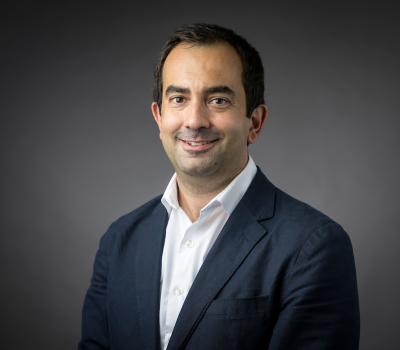
Konstantinos Goulas
Associate Professor
Research Groups
Materials and Catalysis | Computation and Simulation | Water and Environment | Engineering Education
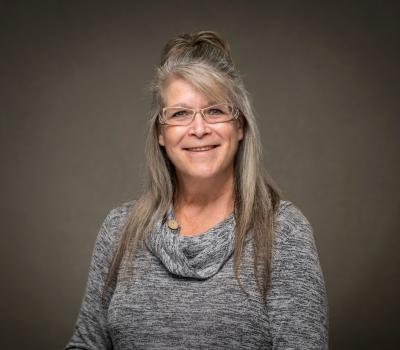
Stacey Harper
Professor
Research Groups
Materials and Catalysis | Health and Biotechnology | Water and Environment
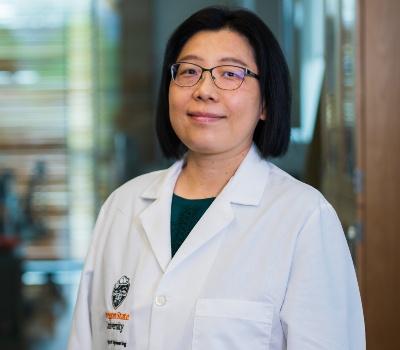
Xue Jin
Associate Professor
Research Groups
Materials and Catalysis | Health and Biotechnology | Water and Environment | Computation and Simulation
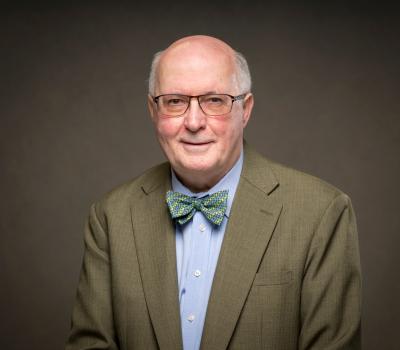
Goran Jovanovic
Professor
goran.jovanovic@oregonstate.edu
Research Groups
Materials and Catalysis | Computation and Simulation | Health and Biotechnology | Water and Environment
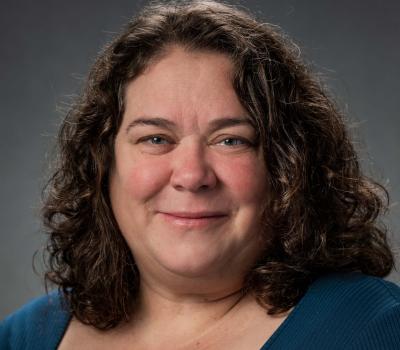
Christine Kelly
Professor
christine.kelly@oregonstate.edu
Research Groups
Engineering Education | Health and Biotechnology | Water and Environment
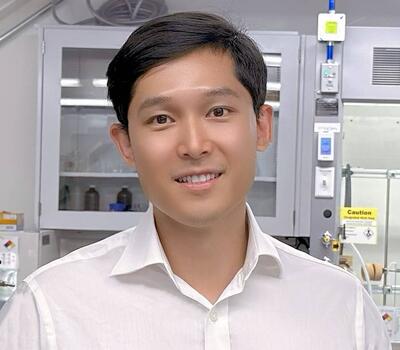
Yuanzhe Liang
Assistant Professor
Research Groups
Water and Environment | Materials and Catalysis | Sustainable Energy
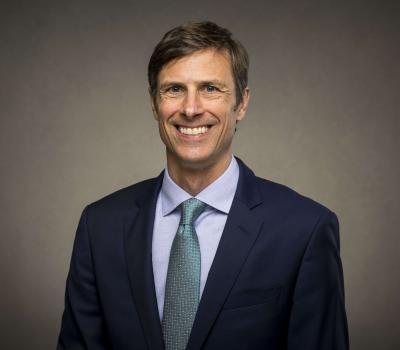
Jeffrey Nason
School Head, School of Chemical, Biological, and Environmental Engineering
Additional Positions
Professor
Research Groups
Engineering Education | Materials and Catalysis | Water and Environment

Tala Navab-Daneshmand
Associate Professor DeVaan Chair and Executive Director for Clean Water Technology
Additional Positions
Associate Head of Graduate Programs
Research Groups
Water and Environment
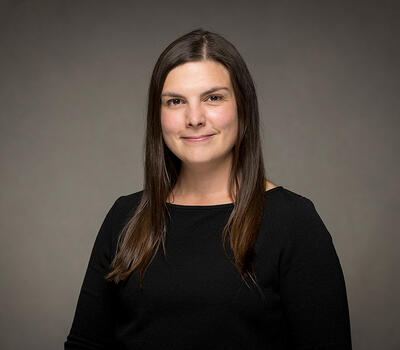
Kathryn Newhart
Assistant Professor
kathryn.newhart@oregonstate.edu
Research Groups
Water and Environment | Computation and Simulation | Engineering Education
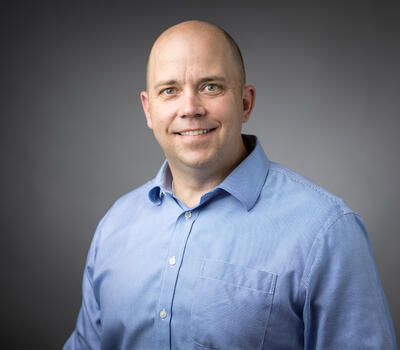
Tyler Radniecki
Professor Robert and Meredith Chapman Professor in Water Supply and Reclamation
tyler.radniecki@oregonstate.edu
Research Groups
Water and Environment | Sustainable Energy | Health and Biotechnology
Gregory Rorrer
Professor
Research Groups
Sustainable Energy | Water and Environment | Materials and Catalysis | Health and Biotechnology | Engineering Education
Lewis Semprini
University Distinguished Professor
lewis.semprini@oregonstate.edu
Research Groups
Materials and Catalysis | Health and Biotechnology | Water and Environment
Dorthe Wildenschild
Professor
Research Groups
Water and Environment | Sustainable Energy