

Infrastructure Materials
Civil and Construction Engineering Faculty Research Area
The Infrastructure Materials focus area at Oregon State University emphasizes the fundamental understanding of materials and property relationships, microstructural development and its impact on long-term performance, durability and sustainability of civil and construction engineering materials, principles of green construction and materials selection as well as rehabilitation, assessment, and repair of infrastructure with a focus on materials aspects. The Infrastructure Materials research group at Oregon State is home to renowned facilities, faculty, staff, and students conducting impactful research with implications on local, national, and international practice in a variety of areas.
The research of the Infrastructure Materials group is funded by local, state, federal, and international agencies and industry partners. Examples of sponsors include the National Science Foundation, Department of Energy, Federal Highway Administration, Global Cement and Concrete Research Network, Electric Power Research Institute, National Cooperative Highway Research Program, California Department of Transportation, Oregon Department of Transportation, California Board of Forestry and Fire Protection, U.S. Endowment for Forestry & Communities, University Transportation Centers, Oregon Manufacturing Innovation Center, American Concrete Pipe Association, and Cascadia Lifelines Program.
Key Focus Areas
- Cementitious materials
- Concrete mixture optimization and durability
- Shrinkage and cracking mitigation of cementitious systems
- Asphalt and bituminous materials
- Pavement engineering
- Reinforcement corrosion
- Microbial deterioration / corrosion
- Non-destructive testing
- Service-life modeling
- Thermodynamic modeling
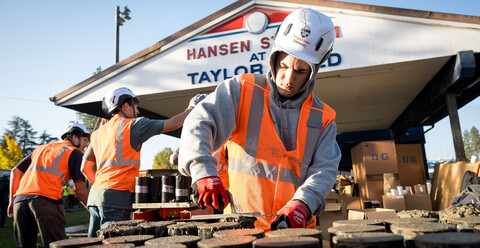
Laboratories
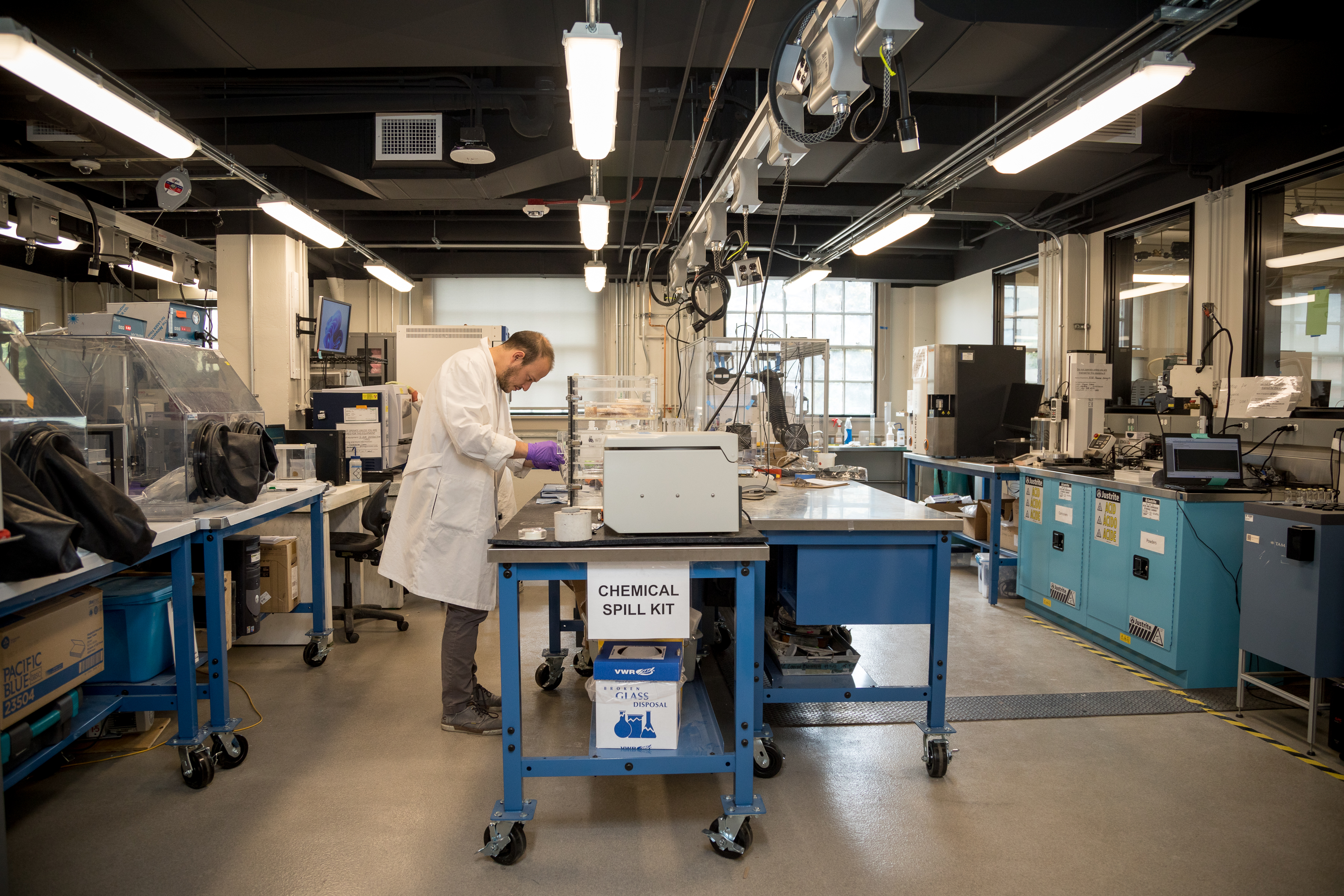
Analytical Laboratory for Cementitious Materials (ALCM)
The ALCM focuses on detailed assessment of cementitious materials using advanced characterization techniques. The lab houses state-of-the-art equipment to analyze chemical composition, chemical reactions, sorption/desorption, pore structure, electrical impedance, carbon content, carbonation, freezable water content, and deteriorative processes of paste/mortar/concrete.
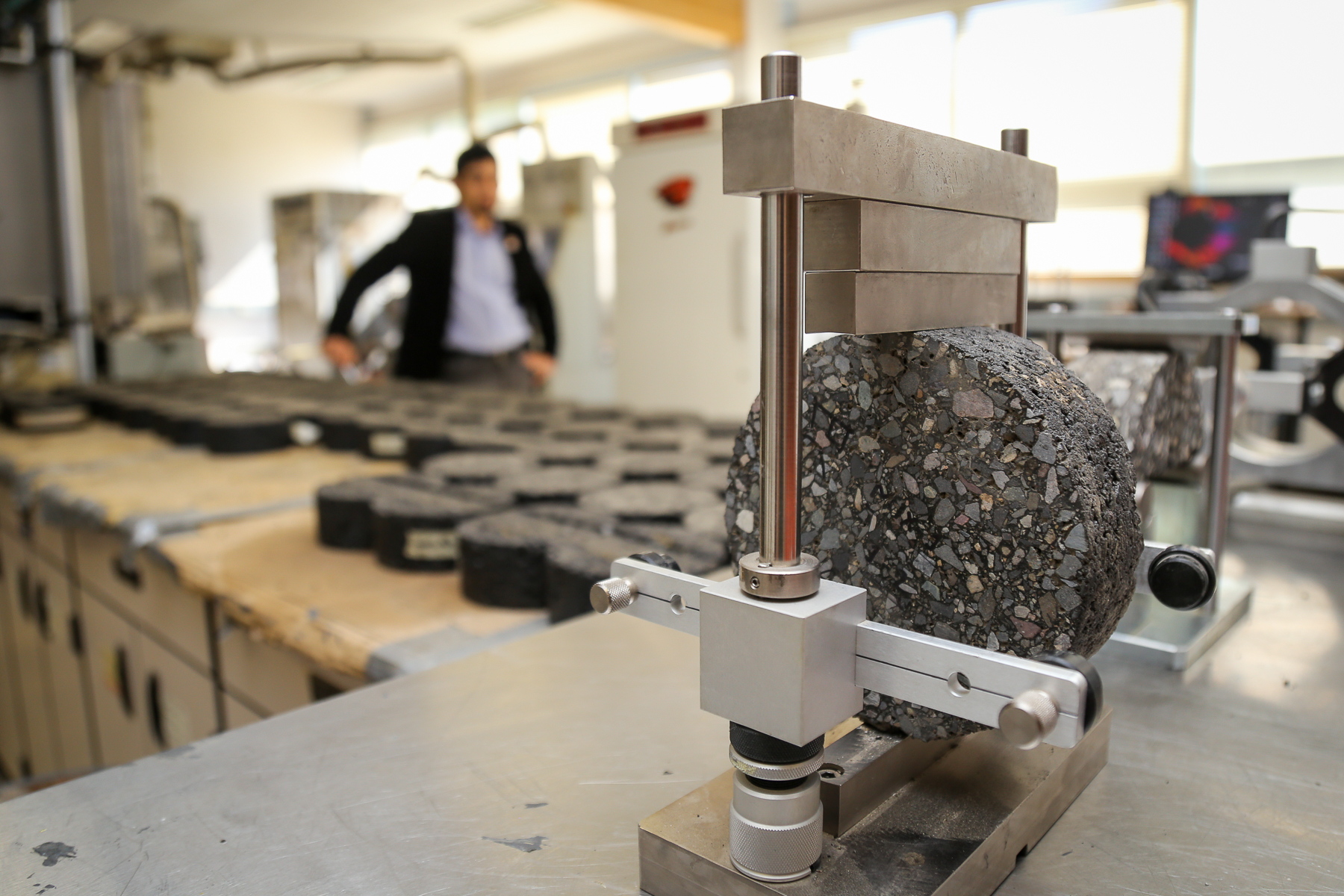
Asphalt Materials Performance Lab (AMPL)
The lab is equipped to conduct computational modeling and testing in pavement technologies to drive the use of sustainable pavement materials.
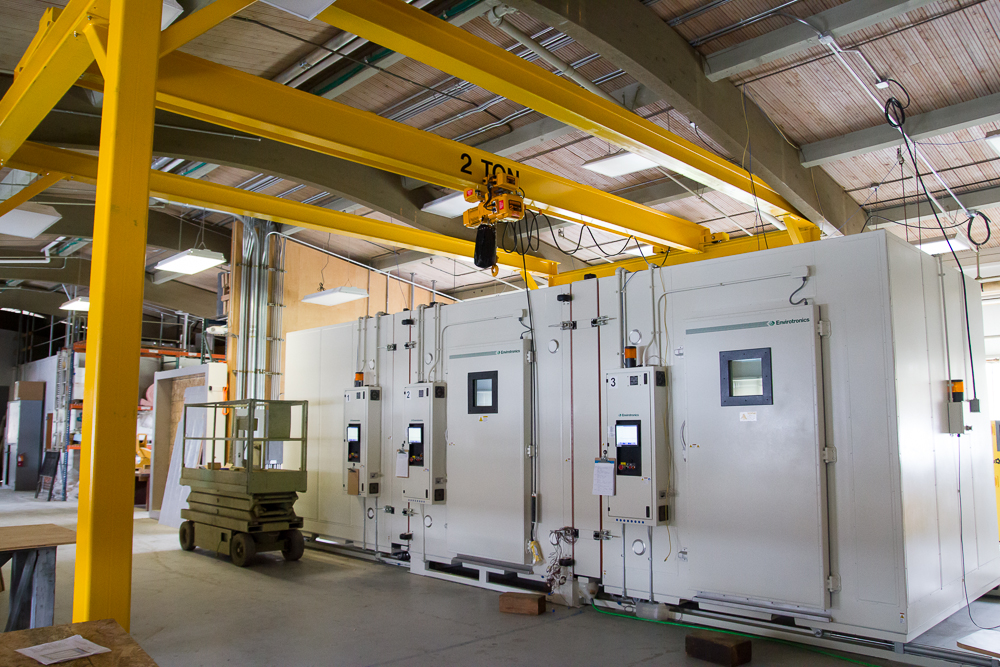
Green Building Materials Laboratory (GBML)
Equipment housed in this Oregon BEST Signature Laboratory allows researchers to characterize, develop and test high performance sustainable materials for buildings and transportation infrastructure.
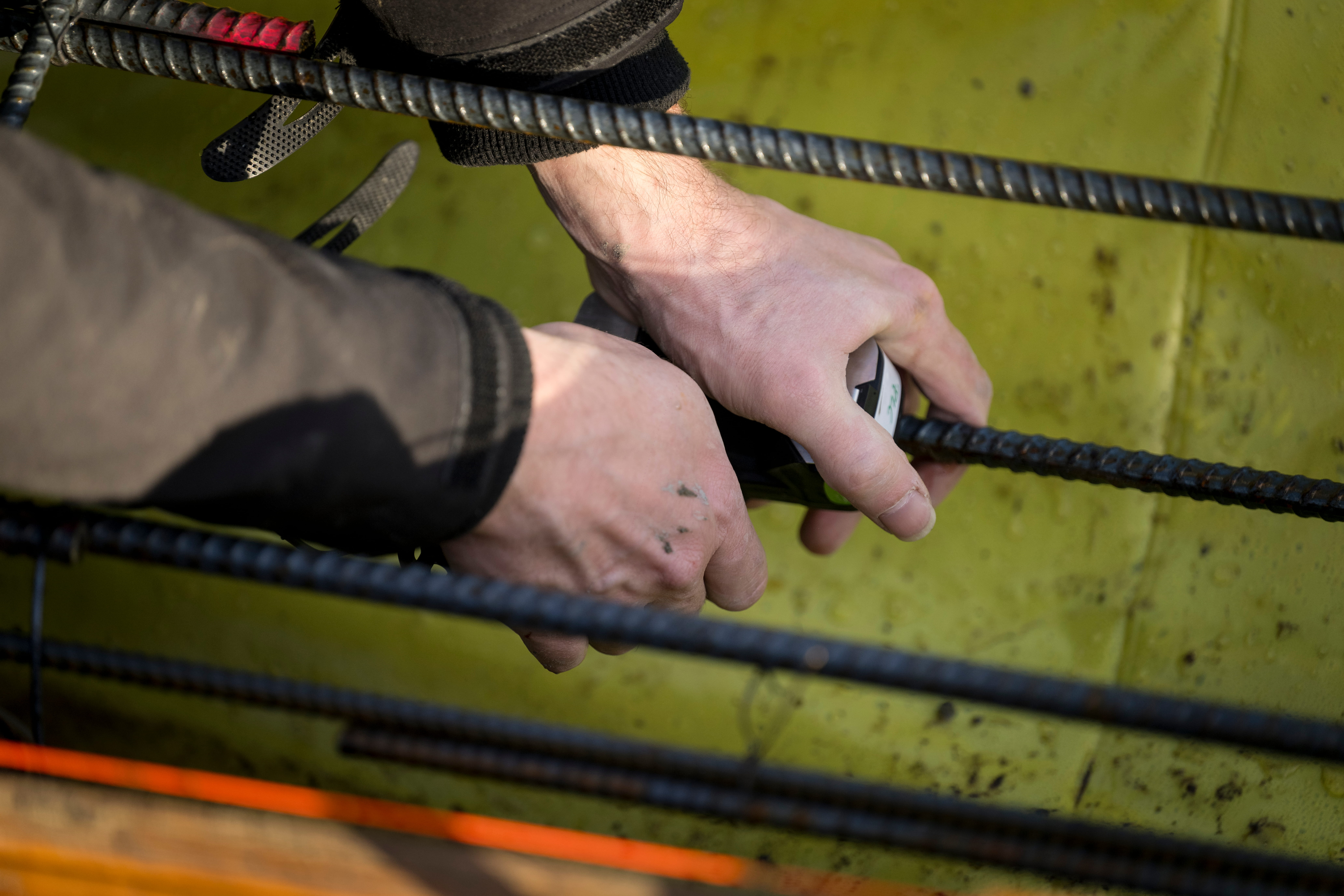
Corrosion, Coatings, and Microbial Deterioration Laboratory (CCML)
The lab is specialized in the corrosion of metals, coatings, and microbial deterioration of metallic and cementitious materials. A focus of is the development of functionally-graded corrosion-resistant alloy clads.
Facilities and Centers
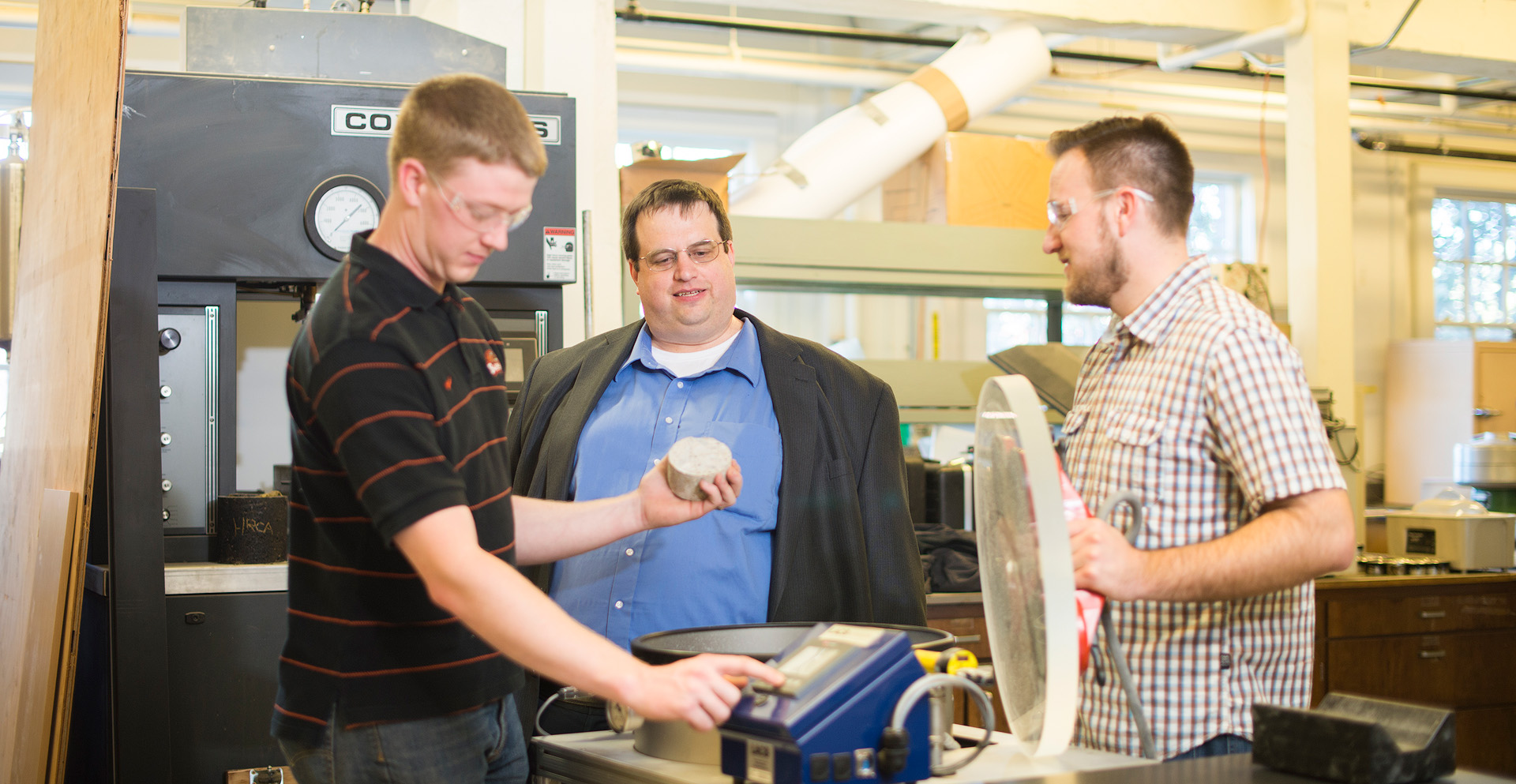
Concrete Performance Facility
The facility focuses on early-age, mechanical, and durability properties of concrete, and houses state-of-the-art analytical equipment, environmental chambers, 3D printers for cementitious systems, and a curing room.
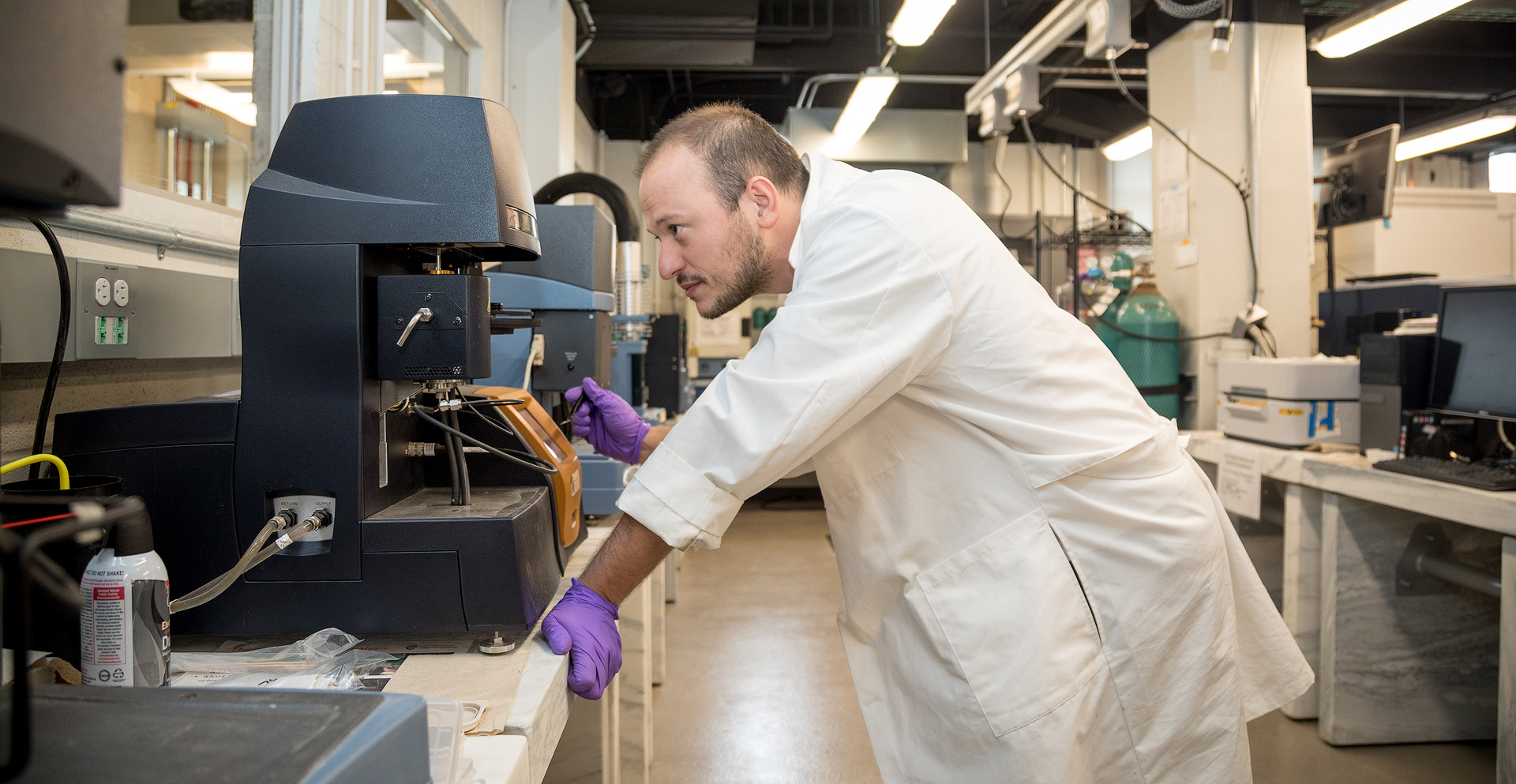
Kiewit Materials Facility
The facility is used for sensitive bench-scale experiments to characterize various types of materials and investigate their deterioration mechanisms. The lab is equipped with grounded bench-top space, two high-performance fume hoods, an environmental test chamber, and electrochemical testing equipment.
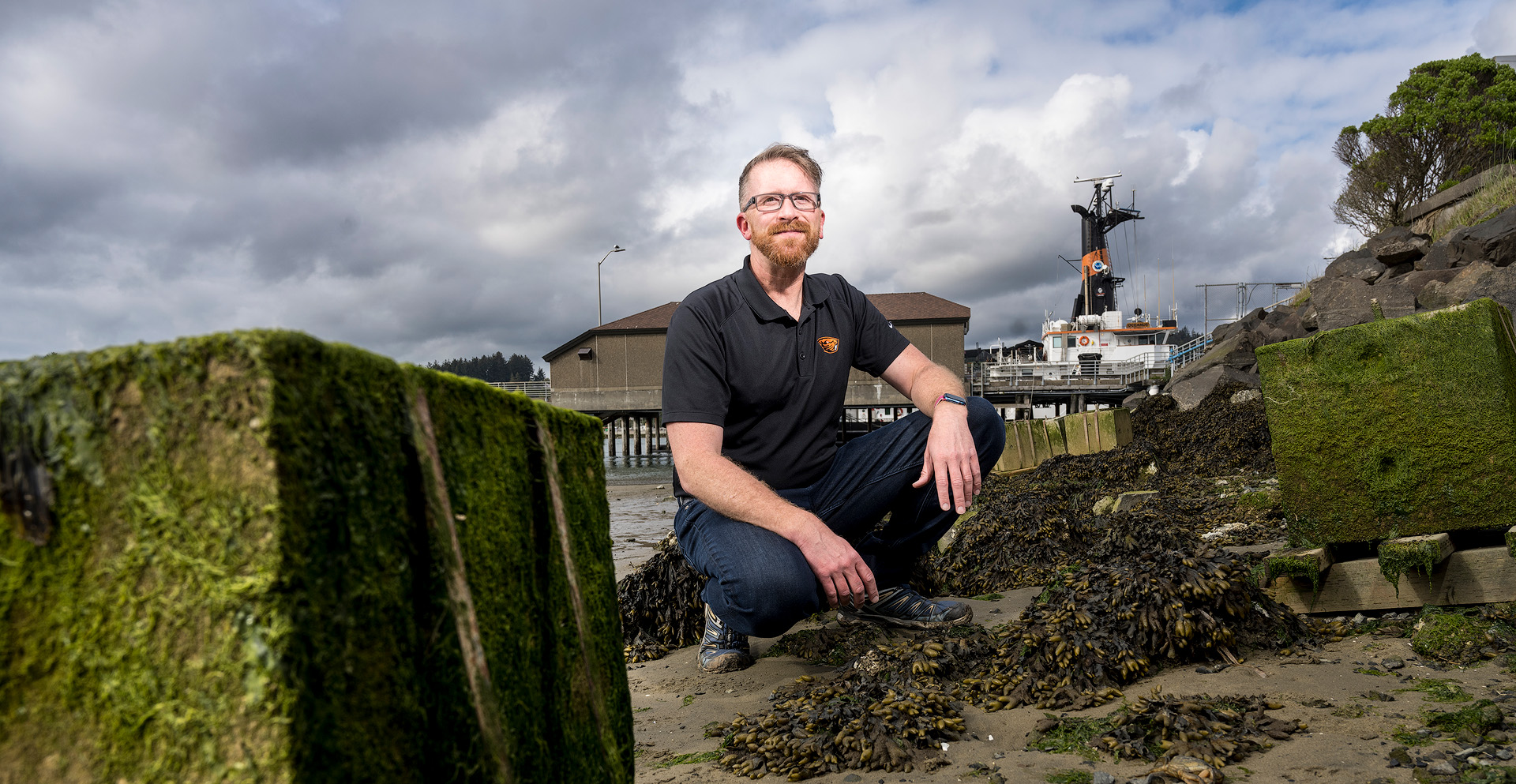
Outdoor and Marine Exposure Sites
The Infrastructure Materials group maintains two outdoor exposure sites for studying long-term behavior and durability of various materials. One site is located on campus and focused on controlled experiments under ambient exposure conditions. The other site is located at the Hatfield Marine Science Center with a focus on marine exposure.
Faculty
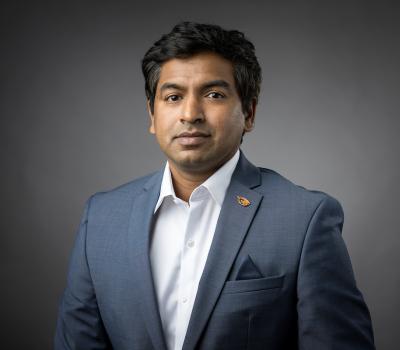
Pavan Akula
Assistant Professor | John and Jean Loosley Faculty Fellow
Research Groups
Geotechnical Research | Infrastructure Materials
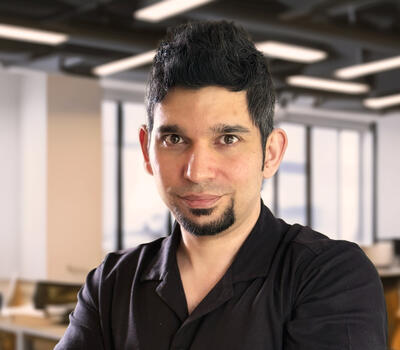
Burkan Isgor, P.E. (ON, Canada)
Professor | Eric H.I. and Janice Hoffman Professor in Civil and Construction Engineering
Research Groups
Infrastructure Materials

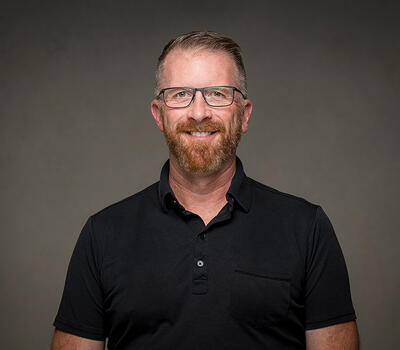
David Trejo
Professor | Hal Pritchett Chair in Construction Engineering Management
Research Groups
Infrastructure Materials | Construction Research
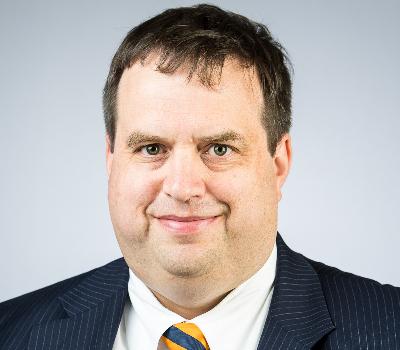
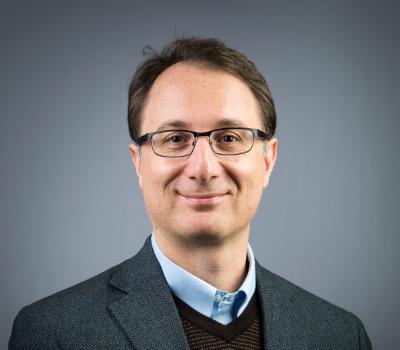
Jason Weiss
Professor | Miles Lowell and Margaret Watt Edwards Distinguished Chair in Engineering
Research Groups
Infrastructure Materials